
How we work
5 Components of The Gonstead Technique
The Gonstead Technique relies on five essential components. When they align, we can provide a specific and effective adjustment.
Book Online Call (218) 866-5436
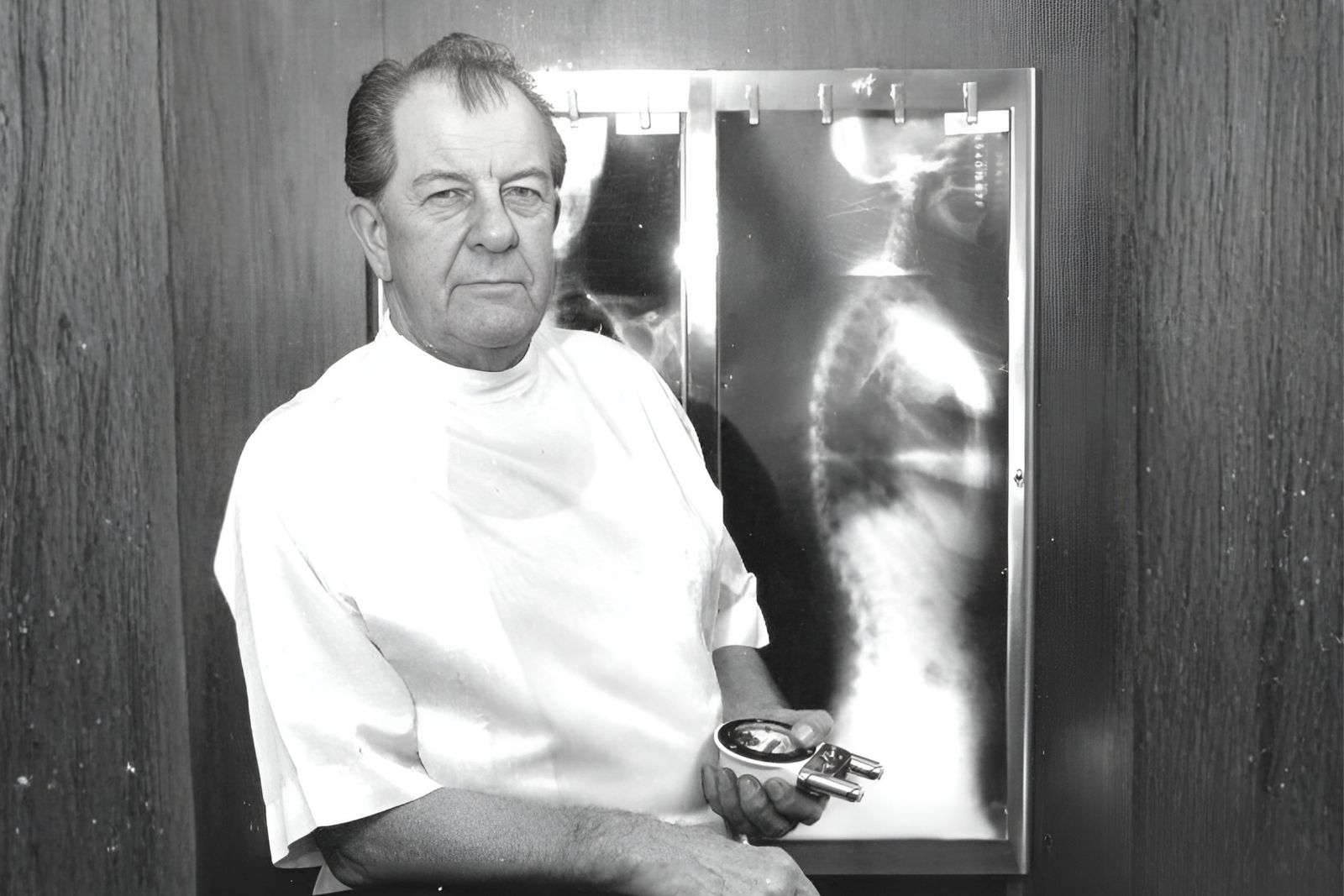
The Gonstead Technique relies on five essential components: Visualization, Instrumentation, Palpation, X-Ray, and patient symptoms. By integrating these elements, we can pinpoint the precise location that requires adjustment. When all these factors align, we can provide the patient with a specific and effective adjustment.
Why settle for anything less than comprehensive information when making crucial decisions about someone's health? Every patient deserves the highest level of chiropractic care in Crosslake, MN, achieved through a thorough analysis that correlates various aspects of their clinical picture. This approach ensures specificity and fosters patient confidence in the doctor's ability to provide effective care.
Specificity is the key, as Dr. Gonstead emphasized that three adjustments on the wrong vertebral segment could lead to a Subluxation, highlighting the importance of precision.
- Step 1: X-Rays
- Step 2: Palpation
- Step 3: Instrumentation
- Step 4: Visualization
- Step 5: Case Management
X-Rays
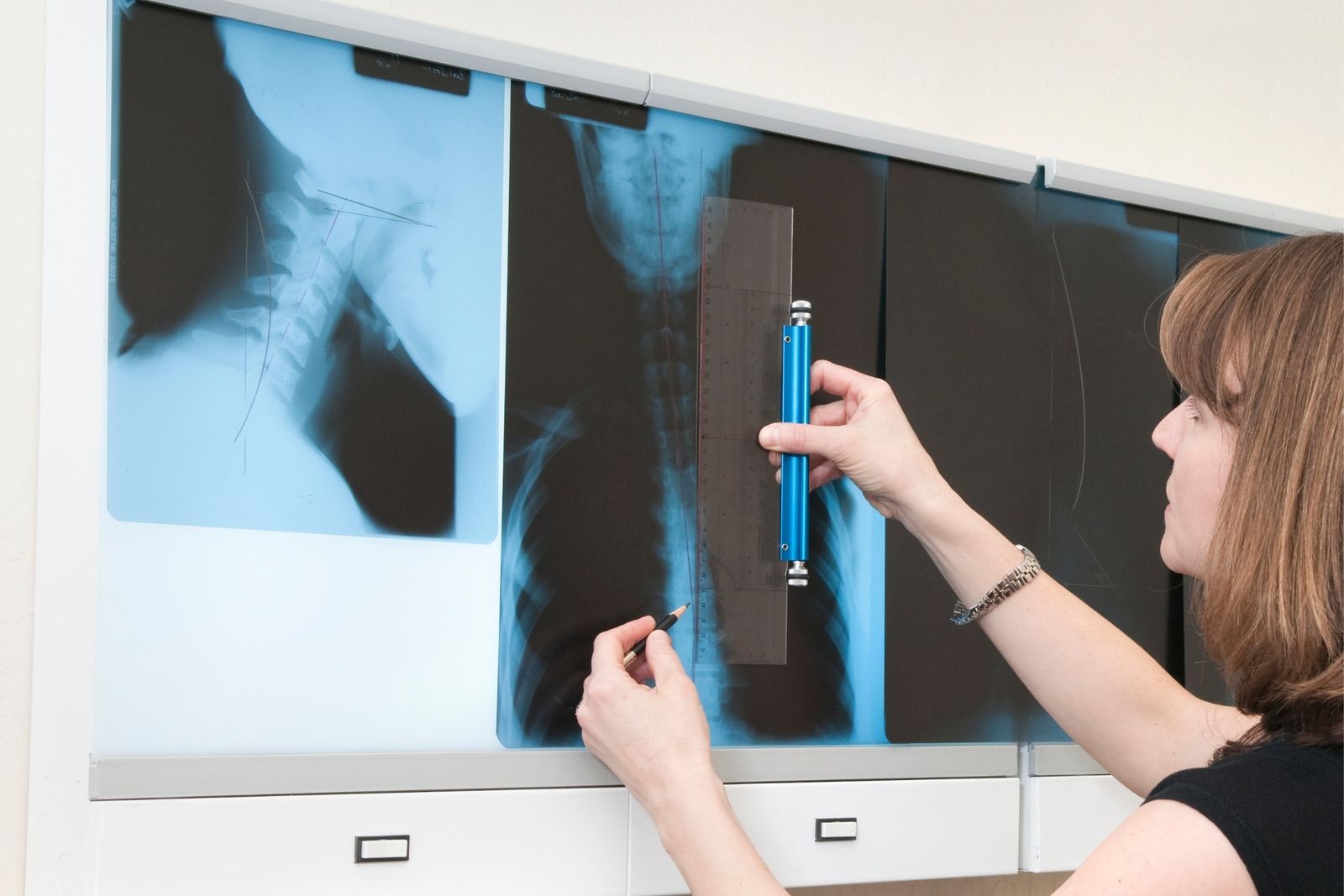
In the Gonstead System, X-Rays are crucial. Dr. Luke takes sectional X-rays, filming each region of the spine on its own in both A-P and Lateral views. Read together, the sections show the contour of the spine and reveal issues beyond the chief complaint, allowing us to fully analyze and correct a patient's condition.
Palpation
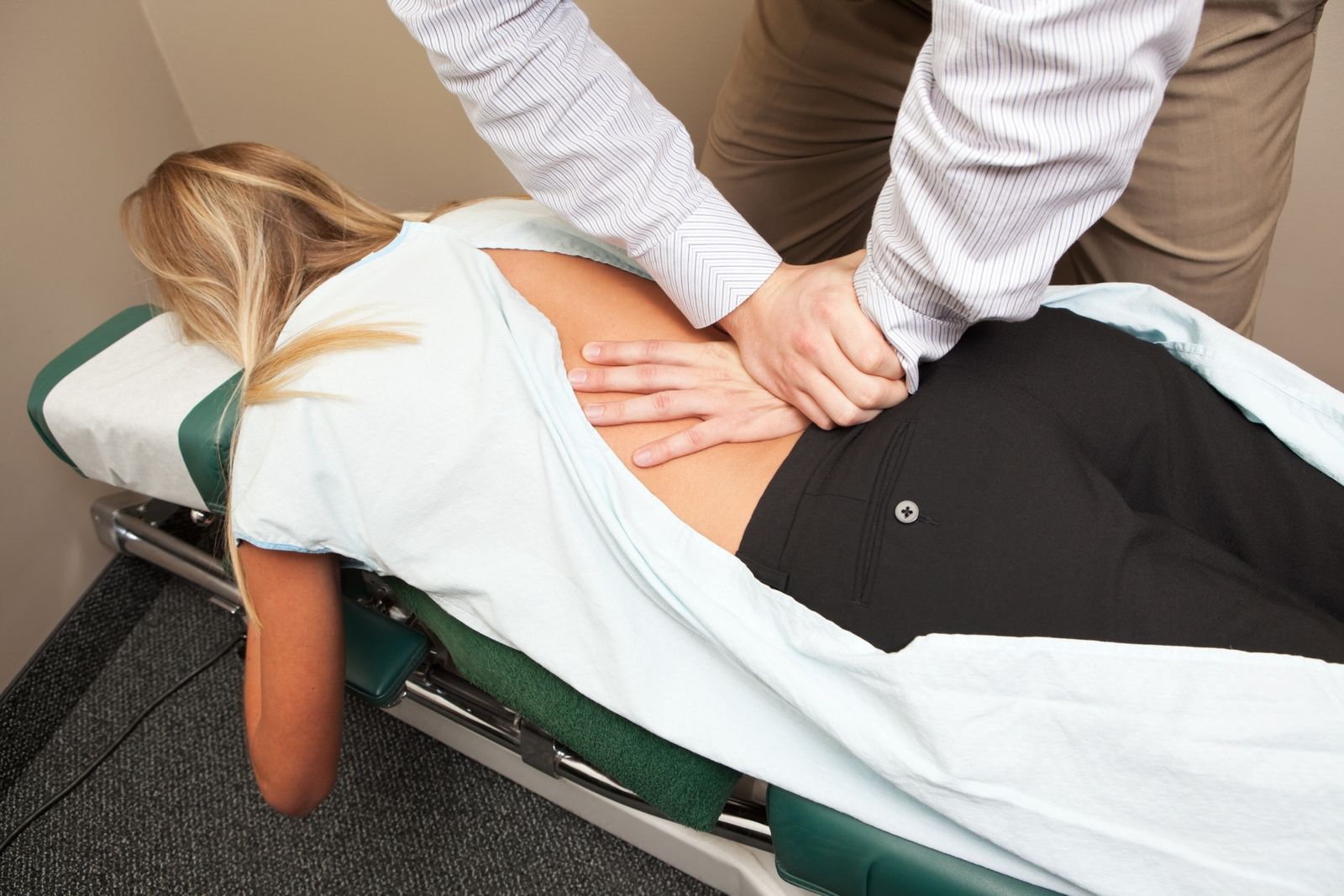
Gonstead Chiropractic employs both Static and Motion Palpation techniques to precisely identify areas of concern. Static Palpation is a hands-on examination that detects changes in contour, tone, texture, and temperature on the patient. Motion Palpation, on the other hand, is used to identify subluxations and their listings.
Instrumentation
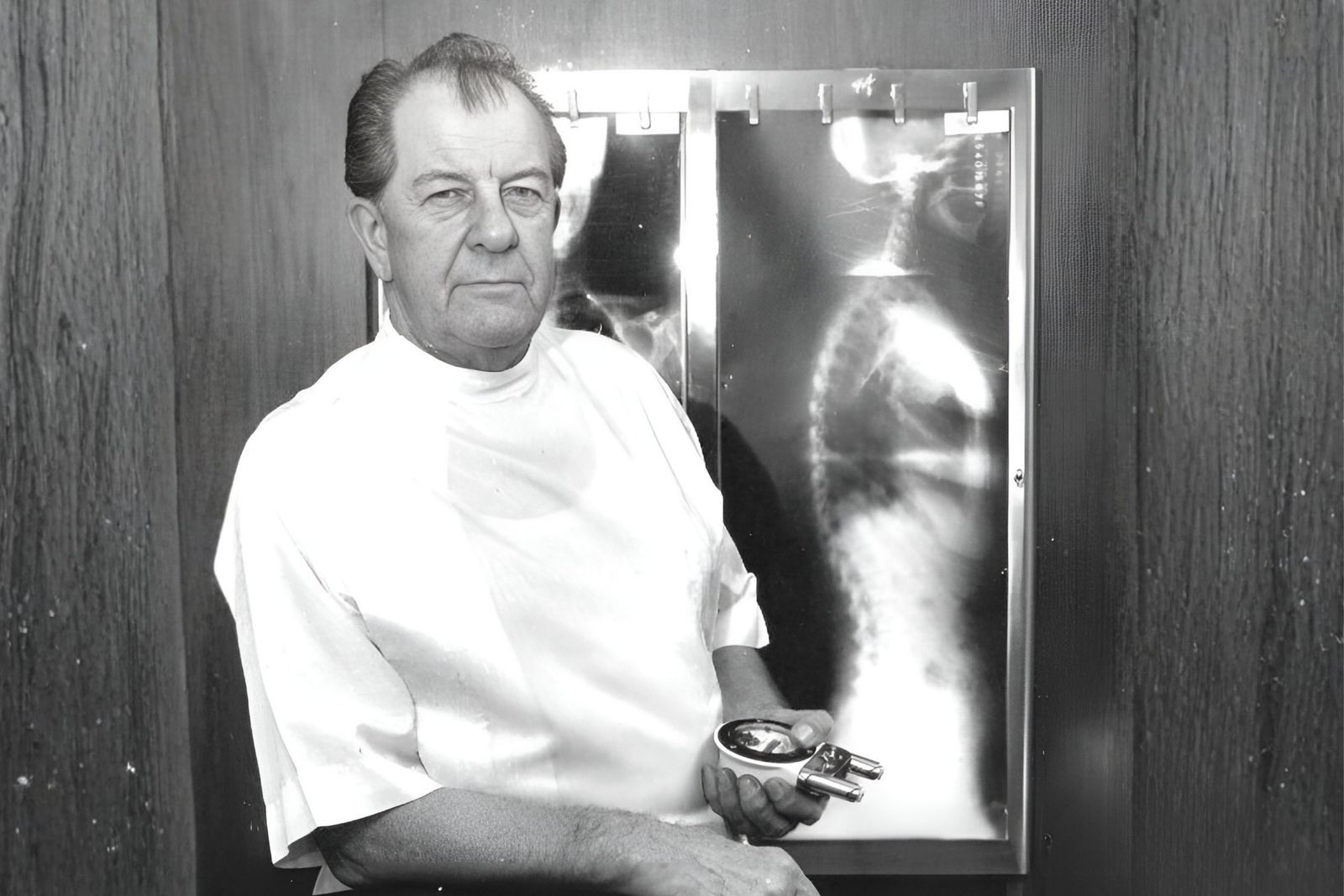
The use of a dual probe instrument, such as the Nervoscope or Delta-T, plays a pivotal role in the Gonstead Technique. It allows for a bilateral temperature comparison of the spine, helping to locate areas of inflammation. The readings obtained through instrumentation indicate the presence of subluxations, their correction progress, and when correction has been achieved.
Visualization
Visualization begins the moment a patient enters the clinic in the Gonstead System. We carefully observe the patient, taking note of differences in ear, shoulder, and hip heights, posture, and gait. This visual assessment complements the information gathered through X-Rays and Palpation, aiding in the diagnostic process.
Case Management (Symptomatology)
Although not applied in a rigid "cook-book" manner, understanding a patient's health issues helps us determine the specific area that requires adjustment. Symptoms can also assist in differentiating between the two parts of the Autonomic Nervous System (Sympathetic and Parasympathetic) and guide us in delivering precise adjustments.
In the Gonstead System, we synthesize information from these various analysis modes and correlate our findings to identify the likely cause of the patient's problem. Once Subluxations are pinpointed, we apply the appropriate Gonstead technique to effectively correct the problem areas. The Gonstead system places a strong emphasis on the dynamics of intervertebral discs as the root cause of subluxations and resulting neurological dysfunction. Therefore, Gonstead doctors are often referred to as "disc doctors," focusing on addressing these underlying issues for the benefit of their patients' overall health and well-being.
Dr. Gonstead's theory on disc subluxation
Dr. Gonstead proposed that vertebral misalignment disrupts the Parallel Disc alignment, leading to compression at the nucleus pulposus. This compression forces the nucleus to exert pressure on the surrounding annular fibers, causing damage to them.
Such damage triggers an inflammatory response, which causes the disc to swell. This swelling then exerts pressure on the nerves located in the respective intervertebral foramen, leading to neurological dysfunction.
According to the Gonstead methodology, understanding that subluxations originate from the disc is crucial. Recognizing the stages of disc degeneration is essential for determining the appropriate adjustment direction and force needed for effective correction.
Dr. Gonstead's level disc theory
Within the spinal column, the intervertebral discs serve a dual purpose: they act as a protective buffer to enhance flexibility and as a structural link that maintains proper motion between the vertebral bodies.
The Nucleus Pulposus, a dense central core, retains fluids and nutrients and acts as a pivot during vertebral movement, much like a "ball bearing." The Annulus Fibrosis, composed of fibrocartilage and collagen fibers, surrounds this core. It is similar to the concentric rings seen in a tree trunk cross-section, and it is anchored to the cartilaginous end plates of the adjacent vertebral bodies.
Dr. Gonstead's Level Disc Theory asserts that "anatomically and physiologically normal discs promote optimum vertebral alignment." This is evidenced when the vertical height of a vertebral couple is uniform around 360 degrees, with the vertebral bodies properly aligned. This alignment, known as "Parallel Discs," ensures even weight distribution, adequate nutrient flow, and optimal joint function and movement within the spine.
Highlights
Five components
Visualization, Instrumentation, Palpation, X-Ray and symptoms, correlated.
Specificity is the key
The precise location is identified before an adjustment is delivered.
Sectional views
A-P and lateral films of each region of the spine, read together.
How a visit goes
We look first
The analysis comes before any adjustment, every time.
We explain what we found
In plain language, with the imaging in front of you.
We agree a plan
A recommendation with a frequency, which you decide on.
Questions about the technique
Why sectional X-rays?
Dr. Luke takes sectional X-rays: separate films of each region of the spine, in both A-P (front to back) and lateral (side) views, rather than one long film of the whole spine. Each region is positioned and filmed on its own, and read together the sections still let us analyze the spine as one connected structure and see issues beyond the chief complaint.
Placeholder: MD quote coming from Dr. Luke, on why the spine should not be broken into pieces because it is one organ. Add it here word for word, with the source, once he sends it.
What is the instrument used on my spine?
A dual probe instrument such as the Nervoscope or Delta-T. It allows for a bilateral temperature comparison of the spine, helping to locate areas of inflammation.
Why does specificity matter so much?
Dr. Gonstead emphasized that three adjustments on the wrong vertebral segment could lead to a Subluxation. Finding the precise location is the point of the five component analysis.
Why are Gonstead doctors called disc doctors?
The Gonstead system places a strong emphasis on the dynamics of intervertebral discs as the root cause of subluxations and resulting neurological dysfunction.
Ready To Find Out More Information?
Come see what we can do for you.