Conditions we help with
Scoliosis support in Crosslake
A spine with a curve can still move and feel better. Hands-on care in Crosslake that works alongside the medical team monitoring the curve itself. Serving the Brainerd Lakes region from our Crosslake office.
Book Online Call (218) 866-5436
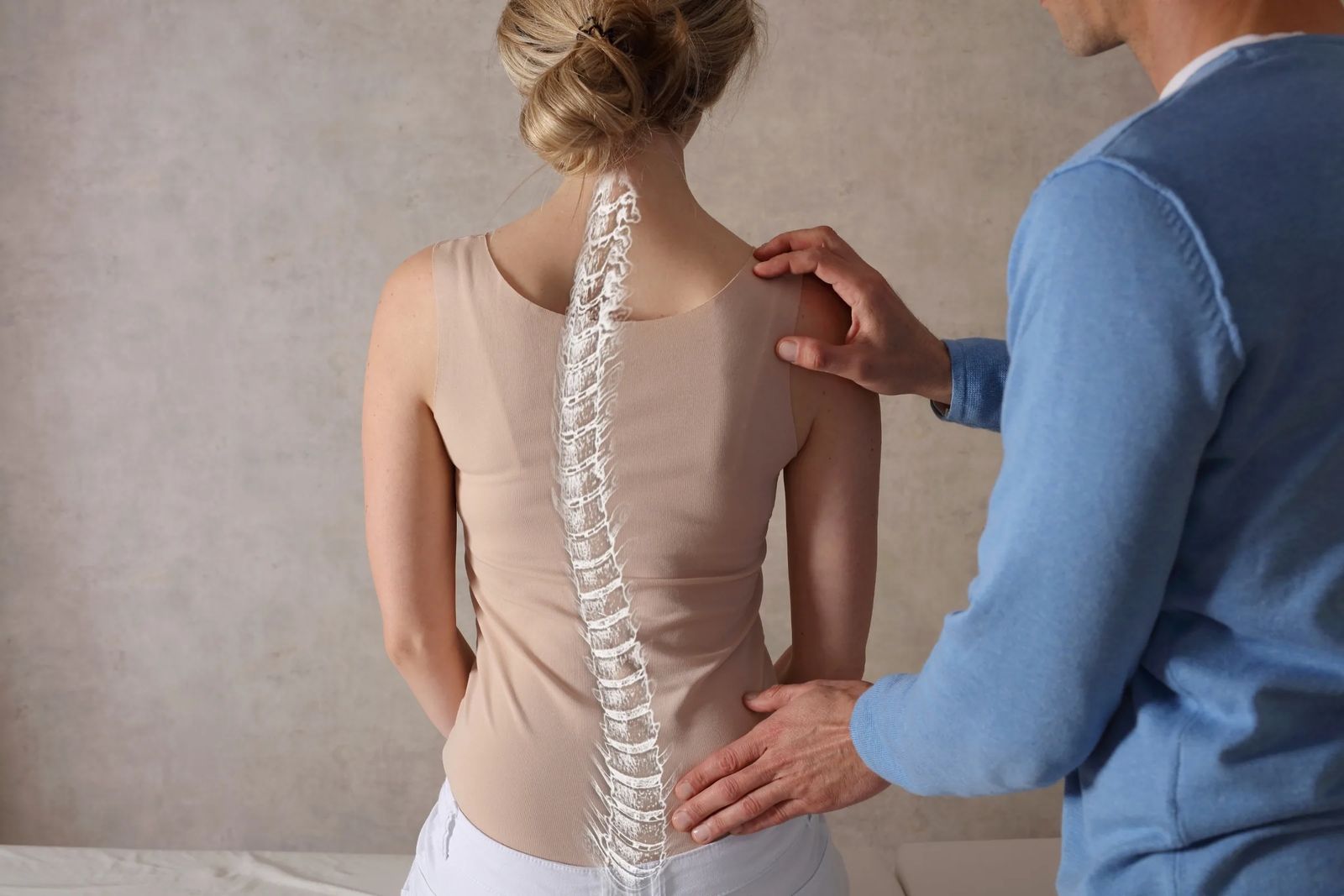
Scoliosis is a sideways curve of the spine, and honesty matters here: chiropractic care does not straighten the curve. What it can do is help a spine that has a curve move better and feel more comfortable, easing the stiffness and muscle strain the curve creates, while your medical team monitors and manages the curve itself.
Scoliosis attracts big promises, and most of them are not honest. So here is the plain version: what scoliosis is, what actually manages the curve, and the real and useful role hands-on care can play in comfort and movement without pretending to be a cure.
What is scoliosis?
Scoliosis is a sideways curvature of the spine, often with a rotation to it. Most cases appear during the growth years and have no single identifiable cause, which is the type doctors call idiopathic. It ranges from mild curves that need only monitoring to larger ones that need active medical management. The size of the curve, measured on an X-ray, is what guides how it is handled.
What the curve tends to create day to day:
- Muscles working unevenly across the two sides of the spine.
- Stiffness and reduced movement through the curved segments.
- Aching from the postural load the curve puts on the back.
- Uneven wear over time in the joints along the curve.
- Self-consciousness about posture, especially through the teenage years.
What manages the curve itself is monitoring, and for growing children a brace when the curve warrants it, and surgery for the largest curves. That belongs with the medical specialists who track it, and we work alongside them rather than in place of them.
How does chiropractic care help with scoliosis?
With the comfort and the movement, not the curve. Gentle, specific adjustments can restore movement to the stiff segments along the curve and ease the uneven muscle strain it creates, which for many people means less aching and easier movement day to day.
In practice, supportive care usually blends a few things:
- Gentle, specific adjustments to the subluxated vertebrae our analysis finds along the spine, matched carefully to a spine with a curve.
- Movement and strengthening to support the spine and help posture feel steadier.
- Coordination with the doctor or specialist monitoring the curve, not around them.
The goal is honest and modest: a spine with a curve that moves better and hurts less.
How a subluxation can affect the nerves involved
Nerves leave the spine through openings between each pair of vertebrae, including along a curve. When a vertebra within or near the curve is subluxated, it can narrow one of those openings and put pressure on the nerve passing through, which can change the messages it carries. Our focus is finding and adjusting that subluxated vertebra, not changing the curve.
What does care cost?
No referral is needed to book, and we will go over the costs with you up front so there are no surprises. Costs depend on what your back needs, and we will always walk you through it in plain numbers first. We don't bill insurance, but we can give you an itemized superbill you can submit to your insurance.
What to expect
- No referral needed to book a first visit.
- We go over the costs with you before anything begins, so you know what to expect.
- Supportive care for comfort and movement, coordinated with the team monitoring the curve.
We cannot promise a specific outcome, and we will not promise to reduce a curve, because that is not what this care does. What we can promise is an honest look, a straight answer, and care that works with your medical team rather than against their advice.
Scoliosis questions we hear most
Can chiropractic care straighten scoliosis?
Our goal is not to straighten your spine. Our job as chiropractors is to adjust the subluxated vertebra and allow your body to heal.
Is chiropractic care safe for a spine with scoliosis?
For most people, gentle chiropractic care aimed at comfort and movement has a strong safety record, and it is matched carefully to a spine with a curve. The first visit is a thorough history and check, and we coordinate with the doctor or specialist monitoring the curve. If anything suggests the curve needs medical review, we will say so.
My child was just diagnosed. Should they see you or a specialist?
A specialist leads on the curve, and that should be the priority: monitoring, and bracing if the curve warrants it while your child is still growing. We are a supportive addition for comfort and movement, not a substitute for that medical care. We are glad to work alongside their team.
Will care hurt or make the curve worse?
Gentle, appropriately matched care is not aiming to force the spine, and it should not make a curve worse. If a curve is significant or progressing, that is exactly when coordination with the monitoring specialist matters most, and we will keep our care within what fits the medical plan.
What can help scoliosis discomfort day to day?
Staying active and strong through the trunk helps many people, as does keeping the curved segments moving rather than letting them stiffen. Supportive hands-on care can ease the aching. The curve itself, though, is monitored and managed medically, and that part should not be left to comfort care alone.
Honest support, alongside your medical team.
Come as you are, we will take it from there.